Avoid Hidden Charges for Rubbish Removal in Bethnal Green: A Practical Guide to Fair Pricing
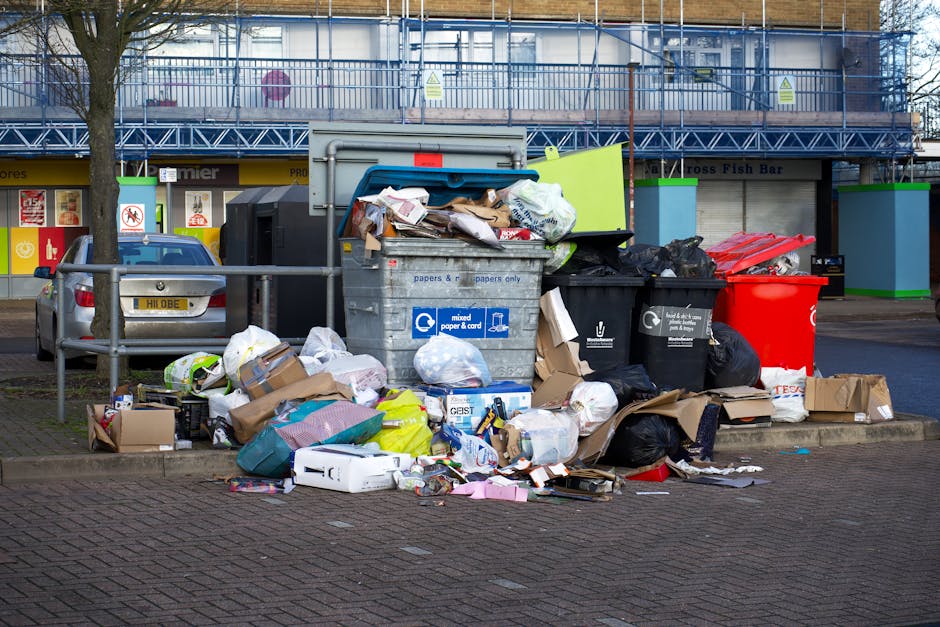
If you have ever booked a clearance job and then stared at the final bill wondering where the extra costs came from, you are not alone. Avoid hidden charges for rubbish removal in Bethnal Green is not just a nice idea; it is the difference between a smooth job and a frustrating one. In a busy part of East London, where access can be tight and waste types vary from flat clearances to garden cuttings and builders' debris, prices can shift quickly if the quote is vague.
This guide explains how hidden charges usually appear, what a clear rubbish removal quote should include, and how to compare providers without getting caught out. You will also find a checklist, practical examples, and a straightforward comparison of common pricing methods. No fluff. Just the stuff that actually helps when you are trying to get a job done and keep the budget under control.
Why Avoid Hidden Charges for Rubbish Removal in Bethnal Green Matters
Hidden charges are more than an annoyance. They can turn a reasonable rubbish removal service into an overpriced one, especially when you are dealing with a one-off job and do not have time to renegotiate on the driveway. In Bethnal Green, people often need waste removed from narrow streets, upper-floor flats, converted houses, or awkward mews-style access. That sort of setting can be perfectly manageable, but it is exactly where unclear pricing tends to creep in.
The usual problem is not that every extra charge is unfair. Sometimes a job genuinely changes after arrival. The problem is when the customer was never told what would trigger those charges in the first place. A reputable provider should explain the base price, what affects it, and what counts as an extra. That way, you can make a proper decision before the van turns up.
Let's face it, nobody enjoys arguing over rubbish. You want a clear number, a clear service, and a clear ending. That is especially true for local jobs where access, parking, stairs, and the sort of waste involved all matter. A well-structured quote should reflect those realities without turning into a surprise invoice.
Expert summary: Clear rubbish removal pricing is not about finding the cheapest number on the page. It is about knowing exactly what that number covers, what could change it, and whether the provider has explained those conditions plainly before collection day.
How Avoid Hidden Charges for Rubbish Removal in Bethnal Green Works
The simplest way to avoid hidden charges is to treat the quote stage as part of the service, not a formality. Good rubbish removal pricing usually starts with a description of the waste, an estimate of the volume, and details about access. From there, the company should explain whether labour, loading, transport, disposal, and any special handling are included.
That is why pages such as pricing and quotes matter so much. A proper quote process should tell you whether pricing is based on volume, weight, item type, or a combination of factors. It should also make clear if the job is for general waste, bulky items, appliances, or something more sensitive. A mattress and a broken wardrobe are not the same thing, and a pile of builder's rubble is not the same as a few bits of furniture.
Here is the thing: hidden charges often show up in the gaps between what you thought you were booking and what the company thought you were booking. If you say "a few items" but the loader finds a full storage room, the final price may rise. If you mention a fridge late in the process, disposal costs can change because appliances often require different handling. That is why clarity before arrival matters far more than polish on the website.
A fair process usually looks like this:
- You describe the waste accurately, including bulky or awkward items.
- The provider asks for photos, measurements, or a brief item list.
- They explain what the quote includes and what could cause extra charges.
- You confirm access details such as stairs, parking, lift availability, or loading distance.
- The company arrives, checks the job, and either proceeds on the agreed terms or explains any change before work starts.
If you are booking a wider household clearance, it can help to review related services like home clearance or house clearance. These pages are useful because a bigger job often involves mixed waste, multiple rooms, and more moving parts. More moving parts means more room for misunderstanding, unless the scope is nailed down early.
Key Benefits and Practical Advantages
Clear pricing does more than save money. It saves time, stress, and a fair bit of back-and-forth. When you know the likely final cost, you can decide whether to use a clearance team, book a different type of removal, or split the job into smaller parts. That kind of decision is easy to underestimate until you are standing in a hallway full of old furniture at 8 a.m.
- Budget control: You know what you are paying for before anyone starts loading.
- Fewer delays: No waiting around for a revised quote that should have been explained earlier.
- Better planning: You can prepare access, separate recyclable items, and move fragile objects out of the way.
- Less conflict: Clear terms reduce the chance of awkward last-minute disputes.
- Smarter comparisons: It becomes easier to compare providers on value rather than just headline price.
There is also a trust benefit. A provider that explains pricing cleanly is usually more organised in the rest of the job too. Not always, of course, but often enough to matter. The same attention to detail that prevents hidden charges usually shows up in punctuality, paperwork, and how respectfully the team handles your property.
If you are disposing of bulky items, you may also want to look at furniture disposal or mattress and sofa disposal. These services are relevant because oversized items are one of the most common places where pricing confusion starts. A sofa that is easy to carry from a ground-floor lounge is a very different job from a heavy three-piece suite on the fourth floor. Obvious, yes, but it still gets missed.
Who This Is For and When It Makes Sense
This guide is useful for almost anyone arranging waste collection in Bethnal Green, but it is especially helpful if you are not booking rubbish removal every week. Regular users sometimes know the quirks already; one-off customers usually do not, and that is where the sneaky costs can bite.
You will benefit from this approach if you are:
- clearing out a flat after a move or tenancy change;
- disposing of old furniture, a mattress, or a broken appliance;
- removing builders' waste after a small renovation;
- emptying a garage, loft, or storage room;
- arranging business waste removal for an office or shop;
- trying to compare rubbish clearance against other options such as skip hire.
It also makes sense if you are on a tight schedule. For example, if a tenancy handover is looming or a builder is arriving the next morning, you do not really have time to discover a "minimum load charge" hidden in tiny print. That kind of thing can make a simple job feel weirdly dramatic. And honestly, nobody needs that on a Tuesday.
For businesses, a more structured approach may be needed. If you are managing recurring waste, business waste removal is worth reviewing because commercial jobs often have different expectations around access, timing, and waste types. The same goes for office clearance, where desks, IT equipment, paper waste, and confidential material may all need separate handling.
Step-by-Step Guidance
Here is a practical way to keep hidden charges out of the equation. It is not fancy, but it works.
1. List everything that needs removing
Write down the items, not just the room. "Bedroom junk" is vague. "One wardrobe, two bedside tables, a broken desk chair, and a bag of mixed clutter" is useful. The more specific you are, the less room there is for cost drift.
2. Send photos from a few angles
Photos help the provider judge volume, access, and lifting effort. Try to capture the whole space and the awkward bits too. A stairwell can matter just as much as the items themselves.
3. Ask what the quote includes
Before accepting, ask direct questions:
- Does the price include labour and loading?
- Are VAT or disposal fees included?
- Is there a minimum charge?
- Could extra costs apply for stairs, long carries, or parking issues?
- Are heavy appliances, sofas, or mattresses priced differently?
4. Confirm access and parking details
In Bethnal Green, access can be the difference between a quick job and an expensive one. If the team needs to park far away, or if the lift is out, the labour time changes. Mention this early. It is not glamorous, but it saves hassle.
5. Clarify what happens if the job changes
Maybe you thought the loft only held old boxes, then found a cast-off wardrobe and a broken exercise bike. Fine, that happens. But the provider should explain how any change will be priced before proceeding.
6. Get the terms in writing
Email, text, or booking confirmation is better than memory. A written quote is your safeguard if there is a disagreement later. Even a short message can help. Boring? Sure. Useful? Extremely.
Expert Tips for Better Results
After many clearance jobs, one thing becomes clear: the more a customer prepares, the smoother the pricing tends to be. That does not mean you need to sort everything into colour-coded piles. Please, no. But a little structure goes a long way.
- Separate normal waste from special items. Fridges, freezers, TVs, mattresses, and certain materials may need different handling.
- Clear a path to the items. If the team can reach everything quickly, the job is less likely to run over.
- Be honest about volume. Understating the amount of waste is one of the fastest ways to trigger extra charges.
- Ask about recycling priorities. Providers with stronger recycling practices often explain what can be diverted from landfill and how that affects the job.
- Check payment method and timing. A straightforward process around payments can reduce confusion later.
If the job involves mixed materials, it may help to review builders' waste clearance or recycling and sustainability. Those pages can give you a better sense of how different waste streams are handled. Mixed waste is where a lot of mispricing sneaks in, because one load can contain wood, metal, plasterboard, packaging, and general clutter all in one go.
A small but useful tip: keep a short note of the person you spoke to, the date, and the estimate given. It sounds almost too simple, but in real life it can save a lot of faffing around if there is a mismatch on the day.
Common Mistakes to Avoid
Most hidden charges happen because of avoidable mistakes, not because someone is trying to be difficult. That is worth remembering. Still, the result is the same for your wallet, so it pays to be careful.
- Booking on price alone. The cheapest quote can become the most expensive once extras are added.
- Not mentioning access issues. Parking distance, stair counts, and tight entrances all matter.
- Forgetting specialist items. Appliances and hazardous materials are often treated differently.
- Assuming "all included" means everything. Always ask what the phrase covers.
- Changing the scope after the quote. More items usually means more cost. Fair enough, but it should be explained clearly.
- Not checking if the service is suitable. A small domestic job and a large commercial waste clear-out are not the same beast.
One thing people often overlook is the disposal route for different items. For instance, a job involving appliance removal may need specific handling, while a job with confidential paperwork may call for confidential shredding. These are not random add-ons; they are practical distinctions that affect cost and process. The issue is when they are not explained in plain English.
And yes, sometimes the mistake is simply rushing. We have all done it. You just want the room emptied and the headache gone. But five extra minutes on the phone can save a very unhelpful surprise later.
Tools, Resources and Recommendations
You do not need complicated software or a spreadsheet full of formulas to avoid hidden charges. A few simple tools and habits are usually enough.
- A phone camera: photos are the quickest way to show the scope of the job.
- A rough inventory: a simple written list of items and quantities.
- A tape measure: handy for oversized furniture, especially in small hallways or stairwells.
- A note of access details: floor level, lift access, parking restrictions, and any timed entry.
- Written confirmation: keep the quote and any follow-up messages.
For some households, a fuller clearance can be easier than item-by-item removal. In those cases, flat clearance, loft clearance, or garage clearance may be more efficient than booking several separate jobs. That can help reduce the chance of separate charges appearing across multiple visits.
If you are dealing with awkward household appliances, review fridge and appliance removal. If you are dealing with soft furnishings, take a look at mattress and sofa disposal. If you are clearing outdoor waste, garden clearance is the more suitable reference point. Matching the service to the waste type is a simple way to avoid mismatched expectations.
Law, Compliance, Standards, or Best Practice
When rubbish removal involves transport and disposal, there are basic compliance expectations to think about. You do not need to become an expert in waste law just to book a clearance, but it does help to know that waste should be handled responsibly and by a provider that follows recognised UK waste management practice.
In plain terms, a professional rubbish removal service should be able to explain how waste is collected, transported, and disposed of. If a company is vague about where waste goes, or it avoids explaining its process altogether, that is a red flag. The same goes for payment handling, insurance, and safety measures. A proper provider should not be nervous about those questions.
For customer reassurance, it is also sensible to review pages such as insurance and safety and health and safety policy. Those are not just formalities. They tell you how the company thinks about risk, property protection, and safe handling on site. That matters a great deal when items are being lifted through hallways, stairwells, or shared entrances.
If you are arranging business disposal, keep in mind that confidential material, electrical items, and mixed office waste may each have different handling expectations. Best practice is to separate what can be separated and to make sure the provider has understood the mix before quoting. No one likes a messy handover, and to be fair, the waste does not care how tidy the conversation was.
Options, Methods, or Comparison Table
There are a few common ways people manage rubbish removal in Bethnal Green. The right choice depends on the type of waste, the amount, and how much certainty you want over the final bill.
| Method | Best for | Pricing style | Risk of hidden charges | Notes |
|---|---|---|---|---|
| Ad hoc rubbish removal | Small one-off clearances | Usually quoted per load or volume | Medium | Good for quick jobs, but confirm access and waste type carefully. |
| Full house or flat clearance | Multiple rooms or larger declutters | Usually based on scale and labour time | Lower if scoped properly | Better when many items need removing at once. |
| Specialist item removal | Appliances, furniture, mattresses, mixed bulky waste | Often item-based or category-based | Medium | Useful when a standard load quote would be misleading. |
| Skip-based disposal | DIY projects, renovations, ongoing waste | Fixed hire style | Medium to high if loading rules are misunderstood | Check what can go in a skip before booking. |
If you are comparing against skip hire, a good reference point is what can go in a skip. That page helps you think through waste restrictions before you commit. Sometimes the best way to avoid hidden charges is simply to choose the method that matches the waste more closely in the first place.
Case Study or Real-World Example
Here is a realistic example. A resident in Bethnal Green needs to clear a one-bedroom flat after a move. The job includes a bed frame, a wardrobe, several bags of mixed household waste, and a couple of smaller items from the hallway cupboard. The first quote sounds attractive, but it does not mention stairs, loading time, or whether the wardrobe must be dismantled.
On the day, the team arrives and finds third-floor access, a narrow stairwell, and no lift. The job still gets done, but the final cost rises because the original estimate did not reflect the real conditions. Nothing dramatic, just the usual sort of pricing wobble that causes annoyance.
Now compare that with a better approach. The customer sends photos, confirms the floor level, mentions the wardrobe dimensions, and explains that the access is via a shared staircase. The provider gives a more accurate quote. No surprise add-ons. No awkward phone calls. The job feels calmer, and the customer can move on with the rest of the day.
That is the core lesson, really. Clear information upfront does not just protect you from hidden charges; it also makes the whole clearance feel less stressful. And that is worth quite a lot when you are already juggling keys, movers, paperwork, or a builder who is due at lunchtime.
Practical Checklist
Use this checklist before you confirm any rubbish removal booking in Bethnal Green.
- Have I listed every item that needs removing?
- Have I provided photos or a clear description?
- Have I mentioned stairs, parking, or access restrictions?
- Do I know whether labour and disposal are included?
- Have I asked about extra charges for bulky or special items?
- Have I checked whether the provider can handle my waste type?
- Have I received the quote in writing?
- Do I understand the payment process?
- Have I compared the service against a suitable alternative, if needed?
- Do I know what happens if the scope changes on the day?
If you can tick most of those off, you are in a strong position. If not, pause for a moment and ask the missing questions. It is a small delay compared with sorting out a dispute later.
Quick takeaway: the best way to avoid hidden charges is to make the quote stage detailed, honest, and written. Simple as that. Not always easy, but simple.
Get a free quote today and see how much you can save.
Conclusion
To avoid hidden charges for rubbish removal in Bethnal Green, focus on clarity before collection day. Describe the waste properly, mention access issues, ask what is included, and make sure the final quote is written down. That approach protects your budget and usually makes the job smoother from start to finish.
Whether you are clearing a flat, removing an old sofa, shifting builders' waste, or tidying a loft that has quietly become a time capsule, the same rule applies: the more specific you are, the less likely you are to get a nasty surprise. And once you have done it properly, it is honestly a relief. The room is clear, the bill makes sense, and the whole thing just feels done.
For more background on the company, you can also review the about us page and the terms and conditions before booking. A little reading up front can save a lot of head-scratching later. Not glamorous, but very useful.
Frequently Asked Questions
What counts as a hidden charge in rubbish removal?
A hidden charge is any extra cost that was not made clear before you booked. That might include labour, disposal, access fees, appliance handling, or a minimum load charge that was never properly explained.
How can I compare rubbish removal quotes fairly?
Compare quotes using the same details: item list, photos, access conditions, and waste type. A lower headline price is not better if it excludes labour or disposal.
Do I need to mention stairs and parking in Bethnal Green?
Yes. Stairs, narrow access, and parking distance can affect labour time and pricing. The more precise you are, the more accurate the quote is likely to be.
Are furniture removals priced differently from general rubbish?
Often they are. Bulky furniture can require more labour and may be priced differently from mixed household waste. Sofas, mattresses, and appliances are common examples.
What should be included in a proper quote?
A proper quote should ideally cover collection, loading, transport, disposal, and any clearly stated extra charges. If anything is unclear, ask before you agree.
Is it better to book one large clearance or several small ones?
Usually one well-scoped clearance is easier to price and manage. Multiple small jobs can create more separate charges and more opportunities for confusion.
Can I avoid hidden charges by sending photos?
Yes, photos help a lot. They give the provider a better sense of volume, access, and awkward items, which usually leads to a more accurate quote.
What happens if the job turns out bigger than expected?
The provider should explain any price change before continuing. If the increase was not discussed, ask for clarification before agreeing to proceed.
Are appliance removals like fridges and freezers different?
They can be. Appliances may need different handling from standard household items, so it is wise to mention them early and confirm the price in advance.
How do I know if a company is trustworthy?
Look for clear pricing, written confirmation, sensible questions about access and waste type, and straightforward pages such as payment and security and insurance and safety. If they are transparent, that is a good sign.
Should I choose skip hire or rubbish removal?
It depends on the job. Skip hire can suit DIY or ongoing waste, while rubbish removal is often better for one-off clearances or awkward items. Check what can go in a skip if you are unsure.
What is the easiest way to avoid surprises on the day?
Give a full item list, send photos, confirm access, and get the quote in writing. That combination solves most problems before they start.